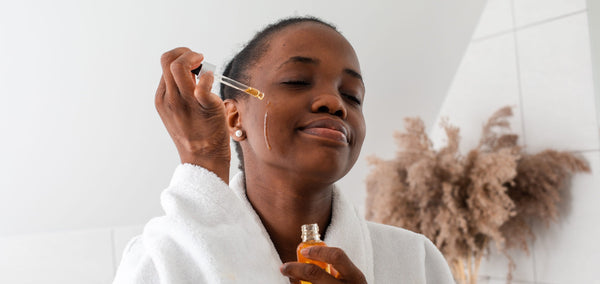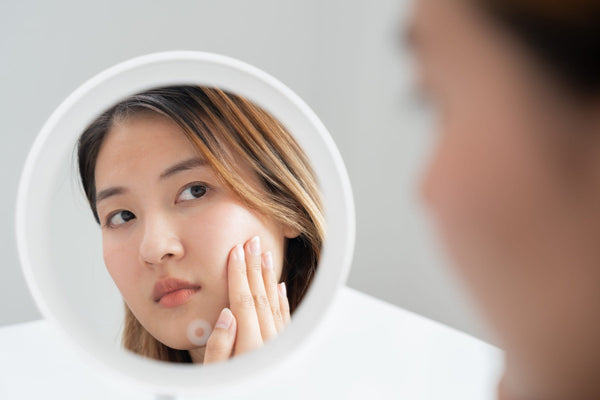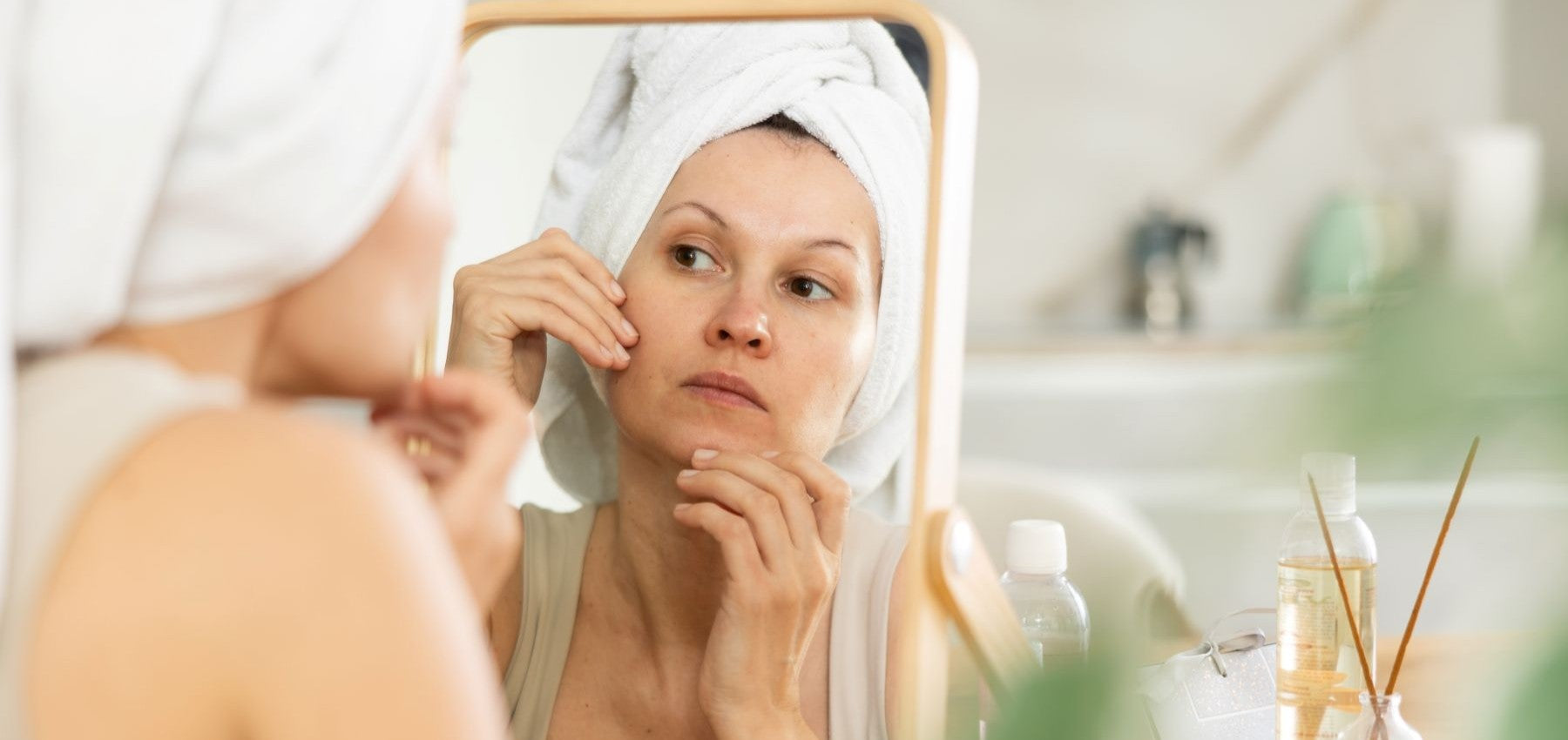
Hydration and acne don’t always sound like they go together. If you’ve spent years trying to “dry out” breakouts with harsh cleansers, toners, and spot treatments, the idea of adding a hydrating serum might feel risky. But here’s the truth: dehydrated, stripped skin can actually make acne look and feel worse—and the right lightweight, non-comedogenic serum can be a game-changer.
In this editorial, we’ll walk through how to hydrate acne-prone skin without clogging pores, what ingredients to look for, and how to build an acne-safe, barrier-supportive routine that leaves your skin calm, comfortable, and balanced.
Dry Acne-Prone Skin
It’s incredibly common to have skin that is both acne-prone and dehydrated. You might see shine on the surface (especially in the T-zone) but still feel tight, flaky, or irritated underneath. That’s because oiliness and hydration are not the same thing:
-
Oil = sebum produced by your skin
-
Hydration = water content inside the skin
Many acne-fighting routines focus on stripping away oil with foaming cleansers, astringent toners, and strong actives like benzoyl peroxide or retinoids. While these can be useful in a targeted routine, overdoing it can damage your moisture barrier, leading to:
-
More redness and sensitivity
-
Flakiness and tightness—especially around the mouth, cheeks, and nose
-
An overproduction of oil as your skin tries to compensate
-
Makeup sitting unevenly and emphasizing texture
When your barrier is compromised, your skin is more prone to inflammation, which plays a major role in acne. Reintroducing gentle hydration with a lightweight hydrating serum for acne prone skin helps support a healthier barrier, so your skin can better tolerate acne treatments and feel more balanced overall.
What does non comedogenic mean?
One of the most common skincare terms you’ll see on packaging is “non-comedogenic.” But what does it actually mean?
A non comedogenic serum is formulated to minimize the likelihood of clogging pores. “Comedones” are clogged pores that can appear as blackheads, whiteheads, or inflamed acne lesions. Products labeled non-comedogenic are typically made without heavier ingredients commonly associated with congestion in breakout-prone skin.
That doesn’t mean every product works perfectly for every person, because skin triggers vary. However, choosing a non comedogenic hydrating serum is often a smart starting point if you’re prone to breakouts, congestion, or oily skin.
In general, non-comedogenic products tend to feature:
-
Lightweight textures
-
Water-based formulations
-
Fast-absorbing humectants
-
Fewer heavy oils and waxes
-
Minimal fragrance and irritants
For acne-prone skin, this matters because hydration should support your skin barrier without creating a greasy or suffocating feeling.
What to Look for in a Hydrating Serum for Acne
Not all hydrating products are created equal, especially if you’re breakout-prone. When choosing the best hydrating serum for acne prone skin, it helps to focus on texture, formula, and ingredient compatibility.
Lightweight, Water-Based Textures
Opt for gels, fluids, or thin serums that absorb quickly. These sit comfortably under other products and are less likely to feel heavy or greasy.
Non-Comedogenic Formulas
Look for phrases like “non-comedogenic,” “won’t clog pores,” or “suitable for acne-prone skin.” A well-formulated acne safe hydrating serum should hydrate without leaving residue behind.
Humectants Over Heavy Occlusives
Hydrating ingredients like hyaluronic acid, glycerin, and panthenol pull water into the skin without trapping excess oil. Lightweight hydrators are often better tolerated than thick balms or dense creams.
Barrier-Supportive Ingredients
Acne-prone skin still needs support. Ingredients like ceramides, niacinamide, and antioxidants help strengthen and calm the skin barrier.
Minimal Fragrance
Sensitive and acne-prone skin can react to fragrance and essential oils. Simpler formulas are often easier for reactive skin types to tolerate consistently.
Top Ingredients That Hydrate Without Causing Breakouts
If your skin tends to break out, it’s smart to build your routine around tried-and-true acne-friendly hydrators.
Hyaluronic Acid
A classic humectant that attracts and holds water in the skin. It’s lightweight, effective, and ideal for acne-prone complexions.

Glycerin
An underrated hydration powerhouse that helps keep skin soft and comfortable without clogging pores.
Panthenol (Vitamin B5)
Known for soothing irritated skin and supporting the moisture barrier—especially useful if acne treatments leave your skin dry or sensitized.
Niacinamide
Niacinamide helps visibly calm redness, support the barrier, and balance excess oil production, making it a favorite in many acne-safe routines.
Ceramides
Ceramides help reinforce the skin barrier while keeping moisture locked in. In lightweight formulas, they offer hydration without heaviness.
Coenzyme Q10 (CoQ10)
CoQ10 is a gentle antioxidant that supports healthy-looking skin while helping defend against environmental stressors. When paired with lightweight hydrators, it can benefit acne-prone skin without overwhelming it.
Clean Ingredient Skincare for Acne Prone Skin
Many people with acne-prone skin are becoming more mindful about ingredient transparency and formula simplicity. Clean skincare doesn’t necessarily mean “all-natural,” but it often emphasizes thoughtfully selected ingredients without unnecessary fillers, harsh irritants, or overly heavy textures.
For acne-prone skin, cleaner formulas can sometimes reduce the risk of irritation and product overload. Look for products that avoid:
-
Heavy pore-clogging oils
-
Excess fragrance
-
Drying alcohols
-
Overly aggressive exfoliants
-
Thick waxes and butters
Instead, focus on formulas built around calming and hydrating ingredients that support long-term skin health.
A good non comedogenic serum should feel breathable on the skin while still providing lasting hydration. Consistency matters more than using the harshest products possible. In many cases, a gentle routine built around hydration and barrier support helps skin appear calmer and healthier over time.
Top Hydrating Serums for Acne Prone Skin That Won't Clog Pores
When searching for the best hydrating serum for acne prone skin, focus less on trends and more on formulation quality.
The most effective acne-friendly hydrating serums usually feature:
-
Water-gel or fluid textures
-
Humectants like hyaluronic acid and glycerin
-
Soothing ingredients like panthenol and cica
-
Lightweight barrier support
-
Fast absorption without stickiness
A high-quality acne safe hydrating serum should leave your skin feeling refreshed, smooth, and comfortable—not greasy or overly coated.
Many people with acne-prone skin benefit from layering a hydrating serum for acne prone skin underneath lightweight moisturizers and sunscreen. This approach provides hydration without relying on thick creams that may feel too heavy during the day.
When testing new products, patch testing is still important. Even the most carefully formulated non comedogenic hydrating serum may not work identically for every skin type.
Best Lightweight Serums That Won’t Clog Pores
When we talk about the “best” hydrating serums for acne-prone skin, we’re really talking about formulas that deliver moisture in a featherlight texture while remaining acne-friendly.
Here’s what defines a great acne-safe serum:
-
Lightweight consistency that absorbs quickly
-
No greasy residue
-
Barrier-supportive ingredients
-
Minimal irritation potential
-
Compatibility with acne treatments
The right serum should leave your skin looking healthy and hydrated without contributing to congestion or excess shine.
Can a hydrating skincare routine be good for acne prone skin?
In short: yes, absolutely. A hydrating skincare routine can be incredibly beneficial for acne-prone skin when done thoughtfully.
Supports the Moisture Barrier
A healthy barrier helps reduce irritation, redness, and sensitivity.
Helps Balance Oil Production
When skin is dehydrated, it may produce more oil to compensate. Proper hydration can help the skin feel more balanced overall.
Makes Acne Treatments More Tolerable
Hydration helps reduce dryness and flaking from ingredients like retinoids, salicylic acid, and benzoyl peroxide.
Improves Texture and Comfort
Hydrated skin often looks smoother and less irritated, helping makeup sit more evenly and improving overall skin appearance.
How to Layer Your Skincare For an Acne-Safe Routine
Even the best serum won’t do much if it’s not layered correctly.
Morning Routine
Gentle Cleanser
Use a low-foam cleanser that doesn’t leave skin feeling stripped.
Hydrating Serum
Apply your lightweight non comedogenic hydrating serum to slightly damp skin.
Antioxidant or Treatment
Layer additional treatments carefully if needed.
Lightweight Moisturizer
Choose a breathable moisturizer designed for acne-prone skin.
SPF 30+
Daily sunscreen is essential, especially when using acne treatments.
Evening Routine
Remove Makeup and SPF
Double cleanse if necessary.
Treatment Step
Apply acne treatments a few nights per week as tolerated.
Hydrating Serum
Use your acne safe hydrating serum nightly to help maintain comfort and barrier support.
Moisturizer
Seal everything in with a lightweight moisturizer.
Extra Tips for an Acne-Safe Hydrating Routine
-
Introduce one new product at a time
-
Patch test before full application
-
Avoid over-exfoliating
-
Be patient and consistent
-
Focus on barrier health, not stripping the skin
The right skincare routine doesn’t need to feel harsh to be effective. Often, the healthiest-looking acne-prone skin comes from balance: thoughtful hydration, gentle support, and lightweight products that work with your skin—not against it.