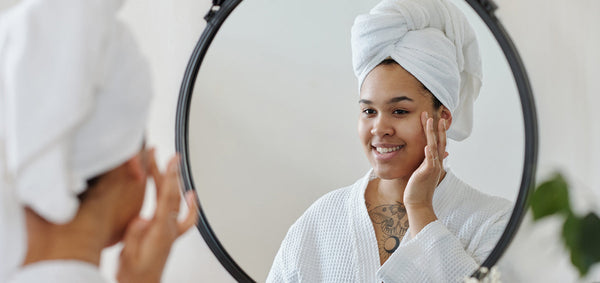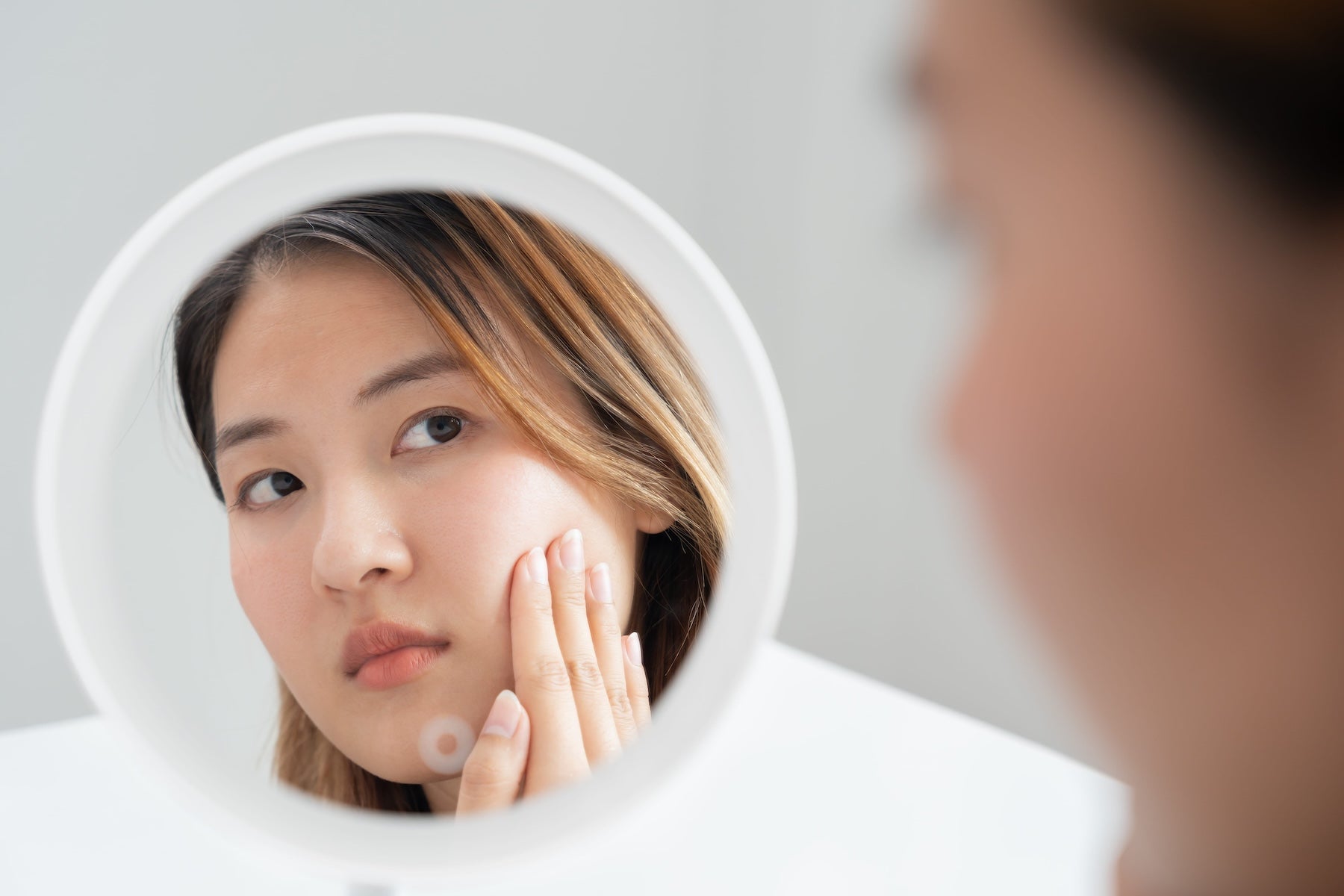
Clogged pores are one of the most common skincare frustrations—and they don’t just affect oily or acne-prone skin. Whether you’re dealing with blackheads on your nose, rough texture along your cheeks, or recurring breakouts around the chin and jawline, clogged pores can make skin feel uneven, congested, and difficult to manage.
The good news? With the right skincare habits and ingredients, clogged pores are absolutely manageable. Consistency, gentle exfoliation, proper hydration, and non-comedogenic products can all help keep pores clearer and skin healthier over time.
In this editorial, we’ll break down what causes clogged pores, how to recognize them, and the best ways to both prevent and treat congestion without damaging your skin barrier.
What Causes Clogged Pores in the First Place?
Pores are tiny openings in the skin that release oil (sebum) and sweat. They’re a completely normal part of healthy skin, but when excess oil, dead skin cells, makeup, sunscreen, dirt, or bacteria become trapped inside, pores can become clogged.
Once clogged, pores may appear as:
-
Blackheads
-
Whiteheads
-
Small bumps
-
Enlarged pores
-
Rough texture
-
Inflamed acne breakouts
Several factors can contribute to congestion.
Excess Oil Production
People with oily skin naturally produce more sebum, which increases the chances of pores becoming blocked.
Dead Skin Cell Build-Up
Your skin naturally sheds dead cells, but when they aren’t removed properly, they can accumulate inside pores and contribute to congestion.
Heavy or Comedogenic Products
Certain skincare and makeup formulas can trap oil and debris inside pores, especially if they’re overly heavy or not designed for acne-prone skin.
Hormonal Changes
Hormonal fluctuations can stimulate oil production, which is why clogged pores and breakouts are common during puberty, menstrual cycles, stress, and hormonal imbalances.
Inadequate Cleansing
Sleeping in makeup, skipping cleansing after sweating, or not fully removing sunscreen can leave residue behind that contributes to clogged pores.
Over-Exfoliating
Ironically, trying too hard to clear pores can sometimes make them worse. Overusing harsh scrubs or strong acids can damage the skin barrier, trigger irritation, and increase oil production.
How to Tell If You Have Clogged Pores
Clogged pores don’t always appear as inflamed acne. In many cases, congestion shows up as subtle texture changes or stubborn bumps beneath the skin.
Common signs include:
-
Blackheads around the nose, chin, or forehead
-
Tiny flesh-colored bumps
-
Rough or uneven texture
-
Enlarged-looking pores
-
Persistent shine or oiliness
-
Breakouts that keep returning in the same areas
-
Makeup applying unevenly
Some clogged pores stay close to the surface, while others develop into inflamed blemishes if bacteria and irritation become involved.
The key is treating congestion early and consistently rather than aggressively attacking your skin with too many harsh products.
10 Ways to Prevent & Treat Clogged Pores
Treating clogged pores successfully usually requires a combination of good skincare habits, consistent maintenance, and patience. Here are some of the most effective ways to keep pores clearer and healthier long term.
1. Cleanse Your Skin Properly (and Consistently)
Cleansing is the foundation of every skincare routine, especially if clogged pores are a concern.
Throughout the day, oil, sweat, sunscreen, makeup, and environmental debris accumulate on the skin. If they aren’t removed properly, they can contribute to congestion over time.
The goal isn’t to strip your skin dry—it’s to cleanse thoroughly while protecting your skin barrier.
Best Cleansing Practices
-
Wash your face morning and night
-
Remove makeup completely before bed
-
Use lukewarm water instead of hot water
-
Choose a gentle, non-stripping cleanser
-
Double cleanse if you wear heavy makeup or sunscreen
Foaming cleansers can work well for oily skin, while cream or gel cleansers are often better for sensitive or dehydrated skin types.
Consistency matters far more than harshness.
2. Exfoliate Regularly to Remove Build-Up
Exfoliation helps remove dead skin cells that can become trapped inside pores.
Without regular exfoliation, dead skin can mix with oil and debris, contributing to blackheads and uneven texture.
There are two main types of exfoliation:
Physical Exfoliation
Scrubs and cleansing brushes physically remove dead skin from the surface.
While these can feel satisfying, aggressive scrubbing can irritate the skin and worsen inflammation if overused.
Chemical Exfoliation
Chemical exfoliants use acids to dissolve dead skin buildup more evenly and gently.
Common exfoliating acids include:
-
Salicylic acid (BHA)
-
Glycolic acid (AHA)
-
Lactic acid (AHA)
-
Mandelic acid
Most people benefit from exfoliating 2–4 times per week depending on skin sensitivity.
Over-exfoliating can weaken the skin barrier, so balance is essential.
3. Use Salicylic Acid to Deep Clean Pores
Salicylic acid is one of the most effective ingredients for clogged pores because it’s oil-soluble.
Unlike many other exfoliating acids, salicylic acid can penetrate into the pore lining itself to dissolve excess oil and debris.
Benefits of Salicylic Acid
-
Helps reduce blackheads
-
Dissolves pore congestion
-
Supports acne-prone skin
-
Reduces excess oil
-
Smooths rough texture
Salicylic acid is commonly found in:
-
Cleansers
-
Toners
-
Serums
-
Spot treatments
Start slowly if you’re new to BHAs. Using it a few times per week is often enough to see improvement without overwhelming your skin.
4. Don’t Skip Hydration (Yes, Even If You’re Oily)
One of the biggest skincare myths is that oily skin doesn’t need hydration.
In reality, dehydrated skin can sometimes produce even more oil to compensate for moisture loss.
Proper hydration helps support the skin barrier and maintain healthier balance overall.
Look For Lightweight Hydration
If you’re prone to clogged pores, choose:
-
Gel moisturizers
-
Water-based serums
-
Glycerin
-
Panthenol
-
Niacinamide
Hydrated skin often appears smoother, calmer, and less reactive over time.
Avoiding moisturizer entirely can actually worsen congestion in some cases.

5. Choose Non-Comedogenic Skincare Products
“Non-comedogenic” products are designed to minimize the likelihood of clogging pores.
While no product works perfectly for everyone, choosing lightweight, breathable formulas can significantly reduce congestion risk.
Products Most Likely to Cause Congestion
-
Heavy oils
-
Thick balms
-
Greasy sunscreens
-
Dense makeup formulas
-
Occlusive skincare layers
What To Look For Instead
-
Lightweight textures
-
Oil-free formulations
-
Gel-based products
-
Fast-absorbing serums
-
Acne-safe moisturizers
Even hair products can contribute to clogged pores around the forehead and jawline, so pay attention to everything touching your skin.
6. Incorporate Retinoids for Long-Term Skin Clarity
Retinoids are one of the most effective long-term treatments for clogged pores and acne-prone skin.
They work by increasing cell turnover, helping prevent dead skin cells from becoming trapped inside pores.
Benefits of Retinoids
-
Help keep pores clear
-
Improve skin texture
-
Support collagen production
-
Fade post-acne marks
-
Reduce recurring congestion
Retinoids can be strong, especially in the beginning, so it’s important to introduce them gradually.
Tips for Beginners
-
Start 2–3 nights per week
-
Use a pea-sized amount
-
Follow with moisturizer
-
Wear sunscreen daily
Consistency is more important than using high strengths immediately.
7. Use Clay Masks to Draw Out Impurities
Clay masks can help absorb excess oil and temporarily reduce the appearance of clogged pores.
Ingredients like kaolin and bentonite clay work by pulling impurities and excess sebum from the skin’s surface.
Benefits of Clay Masks
-
Reduce excess shine
-
Help minimize blackheads
-
Refresh congested skin
-
Temporarily tighten the look of pores
Clay masks work best when used 1–2 times weekly as part of a balanced routine.
Overusing them may dry out the skin and trigger additional oil production.
8. Avoid Overloading Your Skin with Products
When it comes to clogged pores, more products does not always mean better results. In fact, layering too many active ingredients, serums, oils, exfoliants, and treatments at once can overwhelm your skin and contribute to congestion instead of clearing it.
Using multiple heavy or incompatible products can trap oil and debris inside the pores while also irritating the skin barrier. This irritation may lead to increased oil production, breakouts, redness, and rough texture.
Signs Your Routine May Be Too Complicated
-
Persistent breakouts despite using acne products
-
Tightness and irritation
-
Pilling or heavy residue on the skin
-
Increased sensitivity
-
Skin feeling greasy and dry at the same time
A simple, balanced skincare routine is often more effective than an overly aggressive one. Focus on a few high-quality, non-comedogenic products that support your skin without overwhelming it.
9. Keep Your Makeup Tools and Pillowcases Clean
Sometimes clogged pores are caused by everyday habits rather than skincare itself. Makeup brushes, beauty sponges, pillowcases, and even your phone can collect oil, bacteria, sweat, and product buildup that repeatedly transfer back onto your skin.
Dirty tools and fabrics can contribute to recurring congestion and breakouts—especially around the cheeks, jawline, and forehead.
Helpful Hygiene Habits for Clearer Skin
-
Wash makeup brushes weekly
-
Replace or clean beauty sponges frequently
-
Change pillowcases every few days
-
Clean your phone screen regularly
-
Avoid touching your face throughout the day
These small habits can make a noticeable difference in helping reduce clogged pores over time.
10. Stay Consistent with Your Skincare Routine
One of the biggest mistakes people make when treating clogged pores is constantly switching products or expecting overnight results. Skin needs time to respond to active ingredients and establish balance.
Consistency is one of the most important factors in achieving clearer-looking skin.
What Consistency Looks Like
-
Cleansing daily without over-washing
-
Exfoliating regularly but gently
-
Using treatment products as directed
-
Wearing SPF consistently
-
Giving products several weeks to work
Avoid the temptation to aggressively “scrub away” clogged pores. A patient, steady routine focused on barrier health and non-comedogenic products will typically deliver better long-term results than harsh treatments or constantly changing products.
Building a Routine for Clearer, Healthier-Looking Skin
Preventing clogged pores isn’t about using the harshest products possible—it’s about maintaining healthy skin function consistently.
A balanced skincare routine often includes:
-
Gentle cleansing
-
Regular exfoliation
-
Lightweight hydration
-
Non-comedogenic products
-
Barrier support
-
Acne-friendly active ingredients
At Small Batch Serums, we believe skincare should support healthy, resilient skin rather than overwhelm it. Thoughtfully formulated serums with ingredients like niacinamide, hyaluronic acid, CoQ10, and gentle exfoliating acids can help support smoother, clearer-looking skin without unnecessary irritation.
With patience, consistency, and the right products, clearer pores and healthier skin are absolutely achievable.