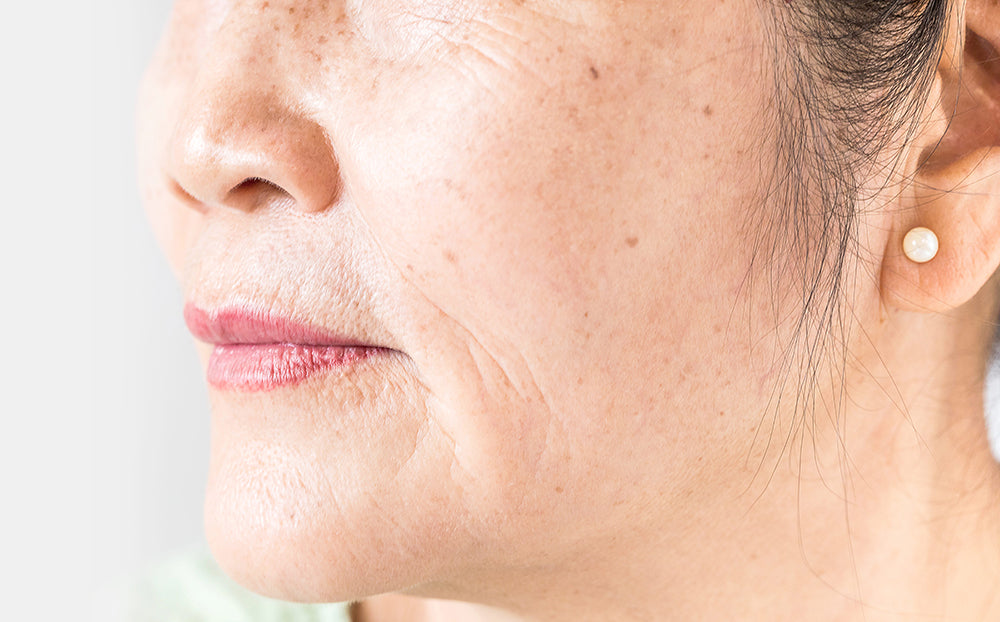
Hyaluronic acid has earned its reputation as a skincare superstar, praised for delivering deep hydration and plumping the skin. It’s a staple in serums, moisturizers, and even makeup products, often marketed as the ultimate solution for dry, dehydrated skin. But despite its popularity, some people report the opposite experience. Instead of feeling hydrated, their skin feels tight, dry, or even irritated after using it.
So what’s really going on? Can hyaluronic acid actually cause dryness, or is it being used incorrectly? Understanding how this ingredient works is key to getting the results you expect. Below, we break down everything you need to know about hyaluronic acid, why it might be drying your skin out, and how to use it properly for maximum hydration.
What Is Hyaluronic Acid and How Does It Work?
Hyaluronic acid is a naturally occurring substance found in the skin, connective tissue, and eyes. Its primary function is to retain water. In fact, it can hold up to 1,000 times its weight in water, making it one of the most powerful humectants used in skincare.
As a humectant, hyaluronic acid works by attracting water from its surrounding environment and binding it to the skin. When applied topically, it pulls moisture either from the air or from deeper layers of your skin into the outermost layer, helping your skin appear plump, smooth, and hydrated.
However, this mechanism is also where things can go wrong. If there isn’t enough moisture in the environment or on your skin, hyaluronic acid may pull water from deeper within the skin instead, which can leave the surface feeling drier over time.

Benefits of Hyaluronic Acid Serum
When used correctly, hyaluronic acid can be incredibly beneficial for a wide range of skin types. One of its biggest advantages is its ability to provide lightweight hydration without clogging pores or feeling greasy.
Hyaluronic acid helps improve skin elasticity, giving your complexion a more youthful, plump appearance. It can also reduce the appearance of fine lines and wrinkles by temporarily filling them with moisture. This makes it a popular ingredient in anti-aging routines.
Another benefit is its versatility. Hyaluronic acid works well alongside other active ingredients like vitamin C, niacinamide, and retinol. It can help offset potential dryness or irritation caused by these stronger actives, making it an excellent addition to most skincare routines.
For those with oily or acne-prone skin, hyaluronic acid offers hydration without contributing to excess oil production. It delivers moisture without heaviness, which is especially helpful for maintaining balanced skin.
Can Hyaluronic Acid Actually Cause Dryness?
The short answer is yes, but not in the way you might think.
Hyaluronic acid itself is not inherently drying. Instead, the way it interacts with your skin and environment can lead to dryness if it’s not used correctly. Because it pulls moisture from wherever it can, it relies heavily on external conditions to work effectively.
In dry climates or environments with low humidity, there may not be enough moisture in the air for hyaluronic acid to work. When this happens, it can pull moisture from the deeper layers of your skin instead of the environment, which may leave your skin feeling tight or dehydrated.
Additionally, if you apply hyaluronic acid to completely dry skin without sealing it in with a moisturizer, the water it attracts can evaporate quickly. This process, known as transepidermal water loss, can contribute to dryness rather than hydration.
Why Hyaluronic Acid Might Be Drying Your Skin Out
Several factors can contribute to the drying effect some people experience with hyaluronic acid.
First, environmental conditions play a major role. If you live in a dry climate or spend a lot of time in air-conditioned or heated environments, there may not be enough ambient moisture for hyaluronic acid to draw from.
Second, application technique matters. Applying hyaluronic acid to dry skin instead of damp skin can limit its ability to bind water effectively. Without a source of moisture, it may pull hydration from your skin instead.
Third, not sealing it in is a common mistake. Hyaluronic acid works best when followed by a moisturizer that locks in hydration. Without this step, the moisture it attracts can evaporate, leaving your skin feeling even drier.
Another factor is overuse. Using multiple products that contain hyaluronic acid can overload your skin, disrupting its natural moisture balance and potentially leading to dehydration.
Lastly, formulation plays a role. Not all hyaluronic acid serums are created equal. Products that lack supporting ingredients like ceramides or glycerin may not provide enough hydration on their own.
How to Use Hyaluronic Acid the Right Way for Hydrated Skin
To get the most out of hyaluronic acid, it’s important to use it correctly.
Start by applying it to damp skin. After cleansing, lightly mist your face with water or apply the serum while your skin is still slightly wet. This gives hyaluronic acid a source of moisture to bind to immediately.
Next, follow with a moisturizer. This step is crucial because it helps lock in the hydration of hyaluronic acid. Look for moisturizers that contain occlusive or emollient ingredients like ceramides, squalane, or shea butter.
Consider your environment. If you’re in a particularly dry climate, using a humidifier can help improve the effectiveness of hyaluronic acid by increasing the moisture in the air.
Layer strategically. If you’re using other active ingredients like retinol or exfoliating acids, apply hyaluronic acid after those treatments to help soothe and hydrate the skin.
Consistency is also key. Using hyaluronic acid regularly as part of a balanced skincare routine can help maintain hydration levels over time.
Common Hyaluronic Acid Mistakes to Avoid
One of the most common mistakes is applying hyaluronic acid to dry skin. Without moisture it won’t perform as intended.
Another mistake is skipping moisturizer. Hyaluronic acid is not a replacement for a moisturizer. It’s a hydration booster that needs to be sealed in.
Over-layering products that contain hyaluronic acid is another issue. Many skincare products already include it, so using multiple layers can be unnecessary and potentially counterproductive.
Using it in extremely dry environments without adjusting your routine can also lead to less effective results. In these cases, pairing it with richer moisturizers or occlusives is essential.
Finally, expecting instant, long-lasting results without consistency can lead to disappointment. Like most skincare ingredients, hyaluronic acid works best when used consistently over time.
Who Should (and Shouldn’t) Use Hyaluronic Acid?
Hyaluronic acid is generally suitable for most skin types, including sensitive, oily, and acne-prone skin. Its lightweight, non-comedogenic nature makes it a safe choice for those who need hydration without heaviness.
People with dehydrated skin can benefit greatly from hyaluronic acid when it’s used correctly. It can help restore moisture levels and improve overall skin texture.
However, those living in very dry climates may need to be more mindful of how they use it. Without proper application and layering, it may not deliver the desired results.
Individuals with severely compromised skin barriers should also proceed with caution. While hyaluronic acid is not inherently irritating, it should be paired with barrier-repair ingredients to avoid further dehydration.
If you’re unsure whether hyaluronic acid is right for your routine, it may be helpful to get personalized guidance.
Ready to build a skincare routine that actually works for your skin? Visit our experts for personalized recommendations and product guidance through our skincare consultation chat and take the guesswork out of your routine.
By understanding how hyaluronic acid works and using it the right way, you can unlock its full hydrating potential without the unwanted side effects.