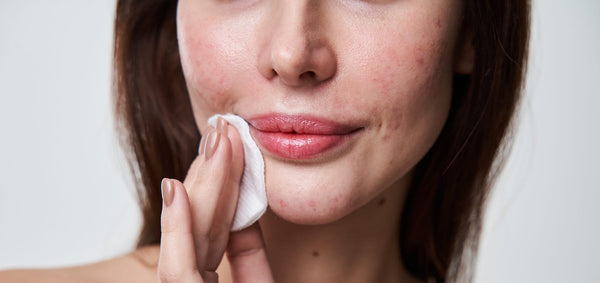
If your skin has suddenly turned on you — stinging when you apply products it used to tolerate, flaking in patches, or just looking dull and tired no matter what you do — the culprit is often not a new allergy or "bad skin day." It's your skin barrier, and it's asking for help.
The skin barrier is the most under appreciated part of any skincare routine. We obsess over serums, actives, and the next big ingredient, but none of it works if the barrier beneath isn't functioning. Here's what your skin barrier actually does, the signs it's compromised, what typically damages it, and how to bring it back to health.
What Is Your Skin Barrier?
Your skin barrier — also called the stratum corneum or acid mantle — is the outermost layer of your skin. Dermatologists often describe it using a "brick and mortar" model: skin cells (the bricks) are held together by a mix of lipids, including ceramides, cholesterol, and fatty acids (the mortar). Together, they form a seal that does two critical jobs at once.
First, it keeps the good stuff in. Water, natural oils, and nutrients stay locked inside your skin instead of evaporating into the air, a process called transepidermal water loss (TEWL). Second, it keeps the bad stuff out. Bacteria, allergens, pollutants, and irritants are blocked from penetrating deeper layers of skin where they can trigger inflammation.
When this barrier is intact, skin looks plump, feels comfortable, and tolerates your routine without complaint. When it's damaged, that seal develops gaps. Moisture escapes faster than you can replace it, and irritants get in more easily than they should. The result is a cascade of symptoms that can look a lot like sensitivity, aging, or even a new skin condition — when really, it's just a barrier that needs repair.
It's worth noting that barrier health isn't static. Even people with naturally resilient skin can develop a compromised barrier after a harsh winter, a new active ingredient, or a stretch of high stress. Recognizing the early signs matters more than diagnosing yourself with a specific skin type, because the fix is largely the same regardless of what triggered it.
7 Signs Your Skin Barrier May Be Damaged
1. Persistent Dryness and Flaking
If your skin feels tight and dry no matter how much moisturizer you apply, or you're noticing flaky patches that weren't there before, water is escaping faster than your skin can hold onto it. This is one of the clearest signs of elevated transepidermal water loss.
2. Stinging or Burning With Products You Used to Tolerate
A damaged barrier can't buffer ingredients the way healthy skin does. Products that never bothered you before, like a gentle cleanser or your usual serum, suddenly sting, tingle, or burn on contact. This is your skin telling you its protective layer has thinned.
3. Increased Redness or Sensitivity
Because a compromised barrier lets more irritants and allergens penetrate, inflammation follows. You might notice new redness, blotchiness, or a face that seems to react to everything, from weather changes to fragrance to friction from a towel.
4. Breakouts in New or Unusual Areas
It sounds counterintuitive, but a damaged barrier can trigger breakouts. When the skin's natural defenses are down, bacteria have an easier time causing inflammation, and oil production can spike as skin tries to compensate for lost moisture.
5. Skin That Feels Rough or Tight
Healthy skin has a smooth, slightly springy texture. When the barrier is compromised, skin often feels rough to the touch, tight after cleansing, or like it's pulling when you make facial expressions.
6. A Dull, Uneven Complexion
Without adequate hydration and an intact lipid layer, skin loses the reflective, dewy quality that reads as "glowing." Instead, you get a flat, tired-looking complexion, sometimes paired with uneven tone.
7. Slower Healing and More Frequent Irritation
A healthy barrier supports quick recovery from small irritations, like a blemish or a razor nick. When it's compromised, minor issues seem to stick around longer, and your skin feels like it's in a near-constant state of low-grade irritation.
If several of these sound familiar, your barrier likely needs a break from actives and a renewed focus on hydration and repair.
What Causes a Damaged Skin Barrier?
Barrier damage rarely happens overnight, and it's usually the result of a combination of habits and exposures rather than one single cause.
Over-exfoliation is one of the most common culprits. Layering multiple exfoliating acids, using a retinol every night, or scrubbing with harsh physical exfoliants can strip away the lipids your barrier depends on faster than your skin can replenish them.
Harsh cleansers are another frequent offender. Sulfate-heavy or high-pH cleansers can disrupt the skin's natural acid mantle, leaving it more vulnerable to moisture loss and irritation.
Environmental stressors play a significant role too. Cold, dry winter air, harsh wind, excessive sun exposure, and even indoor heating can all pull moisture from the skin and weaken the lipid barrier over time.
Long, hot showers feel great but can dehydrate the skin, especially when combined with drying soaps.
Chronic stress and poor sleep disrupt the body's hormonal balance, which in turn affects the skin's ability to produce the lipids it needs for a strong barrier.
Skipping moisturizer, or using one that isn't suited to your skin type, leaves the barrier without the support it needs to stay resilient, particularly after using active ingredients.
Using too many active ingredients at once — think retinol, vitamin C, exfoliating acids, and benzoyl peroxide all in the same routine — overwhelms the skin's capacity to keep up with repair, even if each product is beneficial on its own.
Identifying which of these applies to your routine is the first step toward recovery. Often, it's not one dramatic mistake but an accumulation of small ones, which is also why barrier damage can sneak up on you even when you feel like you're doing everything right.
How to Repair Your Skin Barrier
The good news: skin barriers are remarkably good at healing themselves when you give them the right conditions. Recovery typically takes anywhere from a few days to several weeks, depending on the extent of the damage, but the strategy is consistent.
Simplify your routine. The single most effective thing you can do is pause retinoids, exfoliating acids, and other potent actives until your barrier calms down. Give your skin room to recover before reintroducing them slowly, one at a time.
Prioritize hydration first. A well-hydrated barrier is a functional barrier. Look for humectants that draw water into the skin and hold onto it. Our Hyaluronic Acid Pure Boost Serum is built for exactly this stage of repair: it pairs multiple molecular weights of hyaluronic acid with panthenol (pro-vitamin B5), which is specifically known to support the skin's natural barrier function while soothing existing irritation. Applying it to slightly damp skin helps lock in that hydration before it has a chance to evaporate.

Seal it in with a barrier-supporting moisturizer. Hydration only works if it stays put. Following your serum with a moisturizer rich in lipids helps rebuild the "mortar" between skin cells. Our Coenzyme Q10 Boost Serum uses squalane, a lightweight oil that mimics your skin's own sebum, to lock in moisture and reinforce that protective seal without feeling heavy or greasy, making it a good layer to add in the evening while your barrier rebuilds overnight.
Reintroduce antioxidant protection gradually. Once irritation has settled and your skin feels more comfortable, antioxidants can help defend the barrier against the environmental stress that damaged it in the first place. Our Vitamin C Boost Serum combines vitamin C with vitamin E and ferulic acid, an antioxidant trio that helps neutralize free radical damage and support the skin's natural defenses, so save it for once your skin is out of the acute recovery stage, or patch test first if you're unsure.
Be patient with reintroducing actives. Once your barrier feels calm, comfortable, and no longer reactive to your basic routine, bring back one active ingredient at a time, spaced several days apart, so you can gauge how your skin responds.
Protect against future damage. Daily SPF, lukewarm (not hot) water, and a gentle, low-pH cleanser go a long way toward keeping your barrier intact once it's healed, so you don't find yourself back at square one.
A damaged skin barrier isn't a permanent condition, it's a signal. Listen to it, pull back on what's overwhelming your skin, and give it the hydration and lipid support it needs to do its job. With the right routine, most people see meaningful improvement within a few weeks, and a resilient barrier makes every other step of your skincare routine work better.