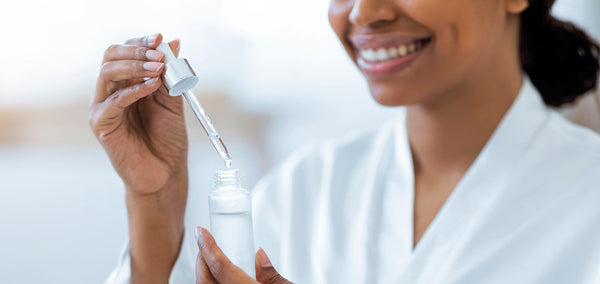
If you have acne-prone skin, you’ve likely spent time searching for products that treat breakouts without causing dryness, irritation, or clogged pores. Serums are often overlooked in acne routines, but they can be game-changers when chosen wisely. Because serums are lightweight, fast-absorbing, and packed with concentrated active ingredients, they can target acne and its side effects—like inflammation, dark spots, and dehydration—more effectively than many heavier creams.
Many people ask, what's the best serum for acne? The answer isn’t one-size-fits-all. Acne can stem from excess oil production, bacteria buildup, hormonal fluctuations, impaired skin barrier function, or even dehydration. The right serum depends on which of those concerns you’re trying to address.
In this guide, we’ll walk through why serums can help, what ingredients to look for, how to layer them properly, and our top acne-safe picks.
Why Serums Can Be Beneficial for Acne-Prone Skin
Serums are specially formulated to deliver a high concentration of active ingredients deep into the skin. For acne-prone skin, this means you can address multiple concerns at once:
Treating Breakouts: Certain serums are formulated with antibacterial, exfoliating, or anti-inflammatory agents to help reduce acne.
Minimizing Post-Acne Marks: Serums can fade hyperpigmentation from old breakouts faster than most moisturizers.
Preventing Clogged Pores: Because serums are typically water- or gel-based, they hydrate without adding heavy oils.
Unlike thick creams that can feel greasy or suffocating, serums are lightweight and layer well under sunscreen and makeup—making them easy to incorporate into both morning and evening routines.
Another major advantage is customization. You can use one serum to target breakouts and another to restore hydration. This flexibility allows you to build a routine around your skin’s changing needs.
Understanding Acne-Prone Skin Beyond Breakouts
Acne-prone skin isn’t just about visible pimples. Often, it’s also reactive, inflamed, and prone to barrier disruption. Overusing harsh treatments can leave skin tight, flaky, and irritated—which paradoxically triggers more oil production.
This is why the best serums for acne prone skin focus not only on clearing pores but also on maintaining balance. Supporting the skin barrier is just as important as fighting bacteria. A compromised barrier makes it easier for irritation and breakouts to spiral.
When evaluating which face serum is best for acne prone skin, consider whether it supports long-term skin health rather than just short-term spot treatment.
Key Ingredients to Look for in Acne-Fighting Serums
When selecting a serum for acne-prone skin, the formula is everything. Here are some powerhouse ingredients that can make a noticeable difference:
Niacinamide: Helps regulate oil production, calm redness, and strengthen the skin barrier. It’s gentle enough for daily use and works well alongside other acne treatments.
Salicylic Acid (BHA): Penetrates pores to dissolve oil and debris, preventing and treating blackheads and whiteheads.
Azelaic Acid: Reduces inflammation, minimizes redness, and has antibacterial properties. Excellent for sensitive, acne-prone skin types.
Retinol (Vitamin A): Speeds up cell turnover to prevent clogged pores and smooth texture—but should be used gradually to avoid irritation.
Vitamin C: Helps fade dark spots and supports collagen production, aiding in the healing process after breakouts.
Tea Tree Oil Extract: A natural antibacterial agent that can reduce active pimples.
Centella Asiatica (Cica): Soothes irritated skin and supports repair of acne-damaged areas.
When possible, look for acne safe serums labeled non-comedogenic to ensure they won’t clog pores.
Hydrating Serums That Won’t Clog Pores
Acne-prone skin can still be dehydrated—especially if you use drying treatments like benzoyl peroxide or retinoids. The right hydrating serum will replenish moisture without causing congestion.
Great hydration-friendly ingredients include:
Hyaluronic Acid: Attracts and retains water in the skin without adding oil.
Panthenol (Vitamin B5): Improves skin softness while calming irritation.
Glycerin: A lightweight humectant that draws water into the skin.
Aloe Vera Extract: Naturally soothing and hydrating.
Hydration helps regulate oil production. When skin is overly dry, it often compensates by producing more sebum, increasing the likelihood of clogged pores.
Balanced skin is less reactive, heals faster, and tolerates active ingredients better.

How to Layer Skincare for Clearer Skin
Serums are most effective when used in the right order with other skincare products:
-
Cleanse: Start with a gentle, sulfate-free cleanser to remove dirt, oil, and makeup.
-
Tone (Optional): A hydrating or exfoliating toner can prep skin and enhance serum absorption.
-
Apply Treatment Serum: Use your targeted acne-fighting serum first.
-
Apply Hydrating Serum: If using two serums, apply the treatment first and the hydrating one second.
-
Moisturize: Lock in hydration with a lightweight, non-comedogenic moisturizer.
-
SPF (AM Routine): Always finish your morning routine with sunscreen.
Pro tip: Avoid layering too many strong actives at once (like retinol and high-strength acids) to prevent irritation. Over-exfoliation can worsen breakouts.
Lifestyle Factors That Influence Serum Effectiveness
Even the most advanced serum won’t perform optimally if other habits undermine your skin. Consider:
-
Changing pillowcases regularly
-
Avoiding touching or picking at blemishes
-
Managing stress levels
-
Eating a balanced diet
-
Getting adequate sleep
Skincare works best when supported by healthy daily habits.
Our Top Picks for Acne-Safe Serums
Here are standout serum categories that consistently deliver results:
Niacinamide + Zinc Serums – Help reduce redness and regulate oil production without causing dryness.
Azelaic Acid Serums – Offer antibacterial benefits and help fade lingering post-acne marks.
Hyaluronic Acid Serums – Provide essential hydration without making skin greasy or congested.
Salicylic Acid Serums – Ideal for frequent blackheads or clogged pores.
Retinol-Based Serums – Promote long-term clarity and smoother texture when used consistently.
Antioxidant Serums with Vitamin C – Support healing and brighten dull, post-acne skin.
When introducing a new serum, patch test first and start with a few times per week to see how your skin responds.
Finding the Right Serum for Your Skin Type
So, which serums are best for acne prone skin? The answer depends on your skin’s specific triggers:
-
Oily and congested? Try salicylic acid.
-
Red and inflamed? Choose azelaic acid or centella.
-
Dry and acne-prone? Add hyaluronic acid and niacinamide.
-
Dealing with dark spots? Incorporate vitamin C.
Consistency, patience, and ingredient awareness matter more than chasing trends.
The best serum for acne-prone skin depends on your individual concerns—whether that’s reducing active breakouts, fading dark spots, strengthening your barrier, or restoring hydration. By focusing on lightweight, non-comedogenic formulas with targeted actives, you can create a skincare routine that supports clear, healthy skin without triggering new breakouts.
And remember: consistency is key. With the right serum (or a combination of two), you can tackle acne from multiple angles and keep your skin balanced, calm, and glowing over time.