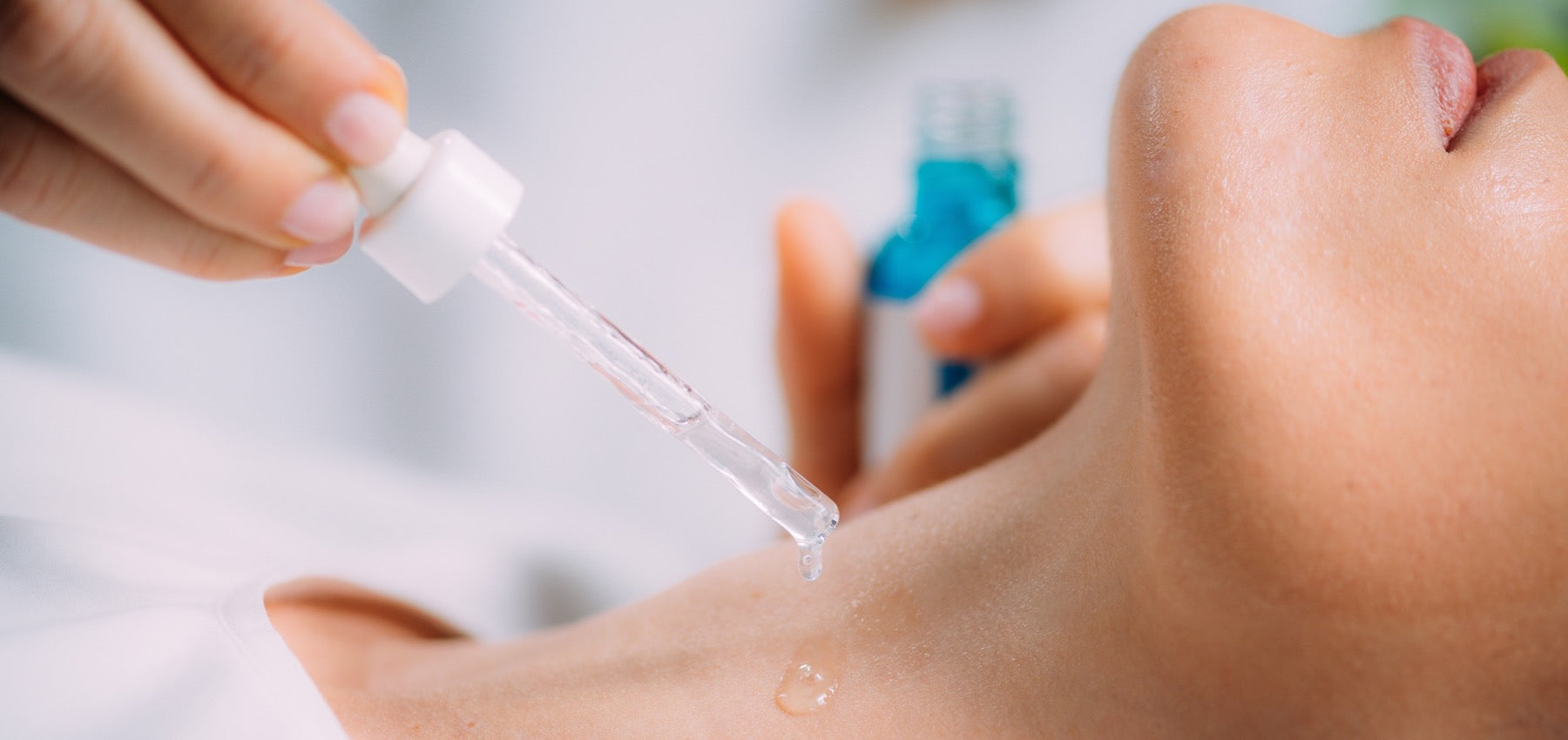
Enlarged pores are one of the most common skincare concerns, and if you're looking for smoother, more refined-looking skin, you may wonder whether hyaluronic acid can help.
QUICK ANSWER
Does Hyaluronic Acid Help With Making Pores Smaller? Yes, hyaluronic acid can help make pores look less noticeable—but it doesn't actually shrink their size. It can make them appear smaller and smoother by hydrating and plumping the skin. Pore size is largely influenced by genetics, skin type, age, and other factors. For more noticeable pore refinement, pair hydrating ingredients like hyaluronic acid with targeted ingredients such as niacinamide or salicylic acid.
Hyaluronic acid is best known for its ability to attract and retain moisture. By improving skin hydration and creating a smoother, more supple appearance, it can temporarily make pores look less prominent. However, if minimizing the appearance of pores is your primary goal, hydration is only one piece of the puzzle.
In this guide, we'll explain what determines pore size, how hyaluronic acid affects their appearance, and which ingredients can be paired with HA for a more comprehensive pore-refining routine.
What Determines Pore Size?
Before discussing whether hyaluronic acid can make pores smaller, it's important to understand what actually determines their appearance.
Pore size is influenced by several factors, including:
-
Genetics: Your genes play a major role in determining the size and visibility of your pores.
-
Oil production: Excess sebum can make pores appear larger and more noticeable.
-
Age: As skin loses collagen and elasticity over time, pores may become more visible.
-
Sun exposure: UV damage can contribute to collagen breakdown and loss of skin firmness.
-
Clogged pores: Oil, dead skin cells, and other buildup can make pores appear larger.
While you can't permanently change the genetically determined size of your pores with a topical skincare product, you can take steps to make them look smaller and more refined.
Keeping pores clear, supporting skin elasticity, and maintaining adequate hydration can all contribute to a smoother-looking complexion.

Does Hyaluronic Acid Help With Pores?
Yes—but primarily by improving their appearance.
Hyaluronic acid is a humectant, meaning it attracts and helps retain water in the skin. When skin is adequately hydrated, it can appear smoother, softer, and more supple.
This improved hydration may make pores appear less noticeable because the surrounding skin looks more plump and even.
However, it's important to set realistic expectations. Topical hyaluronic acid doesn't physically tighten or permanently shrink pores. Its primary benefit is hydration, which can temporarily improve the overall appearance and texture of the skin.
Think of hyaluronic acid as a hydration step that helps create a smoother-looking canvas, rather than a pore-shrinking treatment.

Can Hyaluronic Acid Tighten Pores?
Hyaluronic acid can make skin look more hydrated and plump, which may make pores appear tighter and less visible.
However, topical HA shouldn't be confused with professional injectable hyaluronic acid treatments. Injectable fillers and other in-office procedures work differently and should not be used as evidence that a topical HA serum will produce the same results.
For everyday skincare, the benefit of hyaluronic acid is primarily hydration and improved skin texture.
If you're specifically looking to minimize the appearance of enlarged pores, ingredients that address oil production and pore congestion may be more directly beneficial.
Does Hyaluronic Acid Shrink Pores?
No, hyaluronic acid doesn't permanently shrink pores.
There is a common misconception that skincare products can open and close pores or permanently change their diameter. In reality, pores don't have muscles that allow them to open and close like doors.
What skincare can do is make pores appear smaller by:
-
Keeping the skin hydrated
-
Reducing excess oil and congestion
-
Improving the appearance of uneven texture
-
Supporting skin firmness and elasticity
-
Protecting the skin from environmental damage
Hyaluronic acid primarily contributes to the hydration component of this process.
Why Is Hyaluronic Acid Good for Skin?
Hyaluronic acid naturally occurs in the body and plays an important role in maintaining moisture. In skincare, it's commonly found in serums, moisturizers, and other hydrating products.
As a humectant, hyaluronic acid helps attract water to the skin, leaving it feeling softer and more hydrated.
A well-formulated hyaluronic acid serum can help support:
-
Skin hydration: Helps replenish and maintain moisture.
-
Smoother texture: Hydrated skin generally looks softer and more supple.
-
A plumper appearance: Increased hydration can temporarily make fine lines and uneven texture less noticeable.
-
Skin barrier support: Proper hydration helps the skin barrier function effectively.
-
Comfort: Hydrating ingredients can be particularly helpful when skin feels dry or tight.
Our Hyaluronic Pure Boost Serum is formulated with sodium hyaluronate, a form of hyaluronic acid designed to provide lightweight hydration.
If you're new to hyaluronic acid, our guide to Hyaluronic Acid Serum Benefits: How It Works & How to Use It breaks down how this humectant works, its benefits, and how to incorporate it into your routine.
Can Hyaluronic Acid Help With Enlarged Pores and Oily Skin?
Hyaluronic acid is suitable for oily and combination skin because it provides hydration without necessarily adding heavy oils to the skin.
However, hydration and oil control are two different things.
If excess oil is contributing to the appearance of enlarged pores, a pore-focused ingredient such as niacinamide or salicylic acid may be a more direct approach.
If excess oil and clogged pores are your primary concerns, learn more about how salicylic acid works in skincare and how to incorporate it into your routine.
That doesn't mean you should skip hydration. In fact, a balanced routine can include both hydrating and pore-refining ingredients.
Best Ingredients to Pair With Hyaluronic Acid for Pores
If your goal is to make enlarged pores less noticeable, consider pairing hyaluronic acid with other ingredients that target different causes of visible pores.
Niacinamide
Niacinamide, a form of vitamin B3, can help support the skin barrier and improve the appearance of uneven tone and texture. It may also help regulate excess sebum, making it a useful ingredient for oily or combination skin.
Hyaluronic acid and niacinamide complement each other well: HA focuses on hydration, while niacinamide supports the skin barrier and oil balance.
Salicylic Acid
Salicylic acid is a beta hydroxy acid (BHA) that can penetrate into pores and help remove excess oil and dead skin cells.
Because clogged pores can appear larger, keeping them clear can make them look more refined.
If you're using salicylic acid, introduce it gradually and avoid over-exfoliating, particularly if your skin is sensitive.
Retinoids
Retinoids encourage skin cell turnover and can help improve the appearance of texture, acne, and signs of aging over time.
They can be more irritating than hyaluronic acid, so it's important to introduce them gradually and maintain adequate hydration.
Using HA alongside a retinoid can help support a comfortable, hydrated routine.
How to Use Hyaluronic Acid for Smoother-Looking Pores
To get the most out of your hyaluronic acid serum, focus on consistent application and proper layering.
1. Apply to Slightly Damp Skin
Hyaluronic acid is a humectant, so applying it to slightly damp skin can help support hydration.
You don't need to soak your face—just apply your serum after cleansing while your skin still has a little moisture.
2. Follow With Moisturizer
After applying HA, use a moisturizer to help support the skin barrier and maintain hydration.
This is especially important if your skin tends to become dry or dehydrated.
3. Use Sunscreen During the Day
Daily sunscreen is essential for maintaining healthy-looking skin.
UV exposure contributes to collagen breakdown and loss of elasticity, which can make pores appear more noticeable over time.
Use a broad-spectrum SPF 30 or higher as the final step in your morning skincare routine.
4. Add Pore-Refining Ingredients Strategically
If enlarged pores remain a concern, consider adding ingredients such as niacinamide or salicylic acid to your routine.
You don't need to use every active ingredient at once. A simple, consistent routine is often more effective than aggressively layering multiple treatments.

Can Hyaluronic Acid Support Collagen?
Hyaluronic acid and collagen are both naturally found in the skin, but they perform different functions.
Collagen provides structural support, while hyaluronic acid helps maintain hydration.
Some research suggests that topical hyaluronic acid formulations may influence processes involved in skin repair and collagen production, but the most established benefit of topical HA remains hydration.
For this reason, it's best to think of HA as a hydration-focused ingredient rather than a direct collagen-building treatment.
Hyaluronic Acid and Skin Inflammation
Hyaluronic acid is generally considered a gentle, well-tolerated skincare ingredient and can be useful for maintaining comfortable, hydrated skin.
By supporting hydration and the skin barrier, it can be a helpful addition to routines for skin that feels dry or stressed.
However, hyaluronic acid shouldn't be considered a treatment for inflammatory skin conditions. If you're experiencing persistent redness, irritation, or inflammation, it's best to consult a dermatologist.
Choosing a Hyaluronic Acid Serum for Pore-Prone Skin
If you're prone to visible pores, look for a lightweight hyaluronic acid serum that provides hydration without leaving behind a heavy or greasy finish.
You'll also want to consider the rest of the formula. If your skin is prone to congestion, choose products that are comfortable for your skin type and avoid unnecessarily heavy formulations.
Our Hyaluronic Pure Boost Serum is a lightweight, fragrance-free formula designed to provide hydration while remaining suitable for all skin types.
Frequently Asked Questions
Can hyaluronic acid make pores look smaller?
Yes. Hyaluronic acid can hydrate and plump the skin, which may make pores appear smoother and less noticeable. It does not permanently reduce pore size.
Can hyaluronic acid clog pores?
Hyaluronic acid itself is not generally considered pore-clogging. It's a lightweight humectant that attracts water rather than acting as a heavy oil. However, the overall formulation of a skincare product matters, especially if you have congestion-prone skin.
Should I use hyaluronic acid if I have large pores?
Yes. Hyaluronic acid can be beneficial for skin with visible pores because hydration can improve the appearance of texture and make pores look less prominent. For additional pore refinement, consider pairing it with ingredients such as niacinamide or salicylic acid.
What is better for pores: hyaluronic acid or salicylic acid?
They serve different purposes. Hyaluronic acid hydrates and plumps the skin, while salicylic acid helps exfoliate inside pores and address congestion. If clogged pores are your primary concern, salicylic acid may provide more targeted benefits. HA can help maintain hydration alongside it.
Can I use hyaluronic acid and salicylic acid together?
Yes. These ingredients can complement each other. Salicylic acid addresses pore congestion, while hyaluronic acid helps maintain hydration. If you're prone to dryness or sensitivity, introduce salicylic acid gradually.
Can I use hyaluronic acid and niacinamide together?
Absolutely. This is a popular combination because the ingredients address different aspects of skin health. Hyaluronic acid provides hydration, while niacinamide supports the skin barrier and can help improve the appearance of oiliness and uneven texture.
How long does it take for hyaluronic acid to improve the appearance of pores?
Hydration-related improvements in skin texture can be noticeable relatively quickly, but results vary. Because HA doesn't physically change pore size, any reduction in the appearance of pores is generally related to improved hydration and skin texture rather than a permanent change.
Does hyaluronic acid work for oily skin?
Yes. Oily skin can still be dehydrated, and hyaluronic acid can provide lightweight hydration without requiring a heavy moisturizer. Look for lightweight, non-greasy formulations that suit your skin type.
Does hyaluronic acid tighten skin?
Hyaluronic acid can temporarily make skin appear plumper and smoother by increasing hydration. However, this is different from permanently tightening or lifting the skin.
So, Can Hyaluronic Acid Make Pores Smaller?
It can make them look smaller—but it doesn't actually shrink them.
Because pore size is influenced largely by genetics, skin type, age, and other factors, no topical serum can permanently change the fundamental size of your pores.
What hyaluronic acid can do is hydrate, soften, and plump the skin, creating a smoother-looking complexion where pores may be less noticeable.
For a more comprehensive approach, combine HA with targeted ingredients such as niacinamide or salicylic acid, maintain a consistent moisturizer routine, and wear sunscreen every day.
Our Hyaluronic Pure Boost Serum provides lightweight hydration to help skin feel soft, supple, and comfortable—making it an easy addition to a routine focused on smoother, healthier-looking skin.